Corridor Insights Logo Corridor Insights Contact Us
Contact Us

State GDP Comparisons: Who Leads Malaysia’s Economy?

A breakdown of each state’s economic output, growth rates, and major industries. Selangor and Johor dominate, but emerging sectors in smaller states are reshaping the picture.

12 min read Intermediate March 2026
Financial data visualization showing state GDP comparison charts and economic metrics across Malaysian states

Understanding Malaysia’s Economic Landscape

Malaysia’s 13 states aren’t created equal when it comes to economic output. The disparity between Selangor and smaller eastern states tells a story of geography, infrastructure investment, and historical development patterns. What’s fascinating isn’t just who leads—it’s how the picture’s changing.

Economic strength concentrates in the western corridor. Selangor alone generates nearly a quarter of Malaysia’s total GDP, while Johor consistently ranks second. But that’s not the complete picture. Sabah and Sarawak, despite their vast natural resources, face structural challenges. Meanwhile, newer economic corridors are quietly reshaping regional competitiveness.

The real question isn’t which state wins today—it’s which states are positioned to grow tomorrow. We’ve looked at the numbers, analyzed the trends, and examined what’s actually driving economic activity across Malaysia’s diverse regions.

Modern office environment with professionals analyzing economic data and charts on multiple displays

The GDP Hierarchy: Who’s Really on Top

Looking at nominal GDP figures reveals clear concentration of economic power

1st

Selangor

The undisputed leader generating approximately 23-25% of national GDP. Manufacturing, finance, and services sectors drive consistent growth. Federal Territory’s integration creates a dominant economic zone.

2nd

Johor

Consistently second with 10-12% of total GDP. Port activity at Tanjung Pelepas and petroleum refining provide major revenue. Strategic location drives logistics and trade operations.

3rd

Sabah & Sarawak

Combined, they’re significant players (roughly 15-17% together), but individually lag behind western states. Oil and gas provided historical dominance, yet diversification hasn’t kept pace.

4th-5th

Penang & Perak

Penang’s semiconductor and electronics manufacturing supports 5-6% of GDP. Perak’s mining heritage and manufacturing base create stable economic contribution. Both benefit from western corridor infrastructure.

Growth Rates Tell a Different Story

Absolute size isn’t everything. Growth trajectory matters. Some states with smaller current GDP are actually growing faster than established leaders. It’s the difference between who’s big now and who’ll be bigger tomorrow.

Selangor’s dominance is consolidating through services sector expansion. Finance, telecommunications, and tech companies cluster here—industries with high value-added output. Johor’s growth accelerates through manufacturing diversification beyond just petroleum refining. They’re moving into advanced electronics and specialty chemicals.

But here’s where it gets interesting. Smaller states with targeted development initiatives show double-digit growth in specific sectors. Terengganu’s renewable energy projects, Kedah’s agricultural processing, and Pahang’s industrial park investments create pockets of rapid expansion. They’re not catching up overall, but they’re moving in the right direction.

Key Reality:

The western corridor captures investment because it’s proven. But emerging eastern corridor development offers growth potential that’s harder to find in saturated markets. It’s about risk versus reward.

Line graphs and trend analysis showing economic growth patterns across different Malaysian states over time
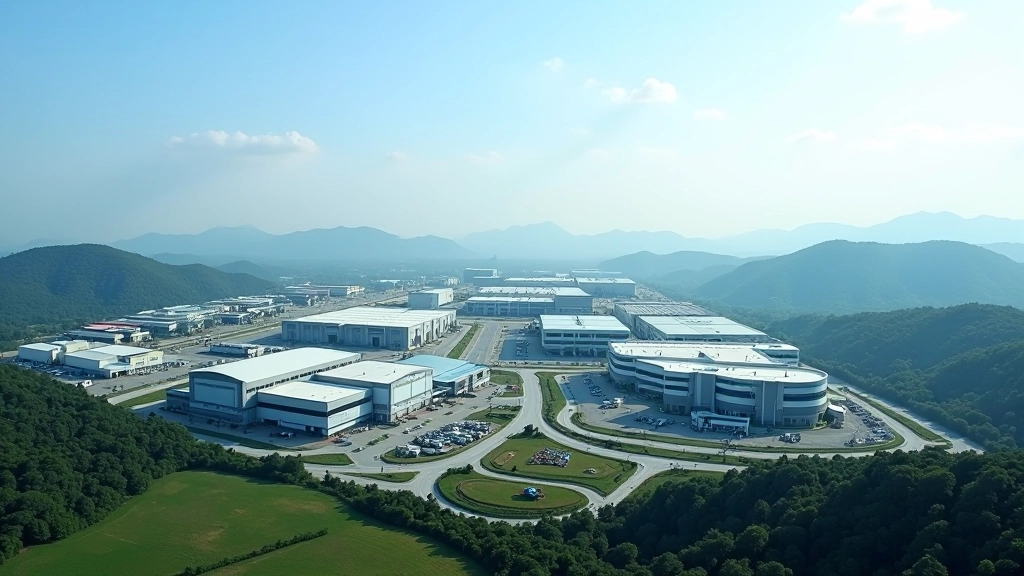
Industrial facilities showing diverse economic sectors from manufacturing plants to agricultural operations to technology centers

What Actually Drives Each State’s Economy

Economic output doesn’t appear randomly. Specific industries dominate each region based on infrastructure, proximity to markets, and historical investment patterns.

  • Selangor & Federal Territory: Services (finance, insurance, real estate), semiconductor manufacturing, automotive assembly, petroleum refining. Over 60% from services alone.
  • Johor: Port operations (Tanjung Pelepas handles 13+ million containers annually), oil refining, petrochemicals, electronics manufacturing. Logistics creates significant value-add.
  • Sabah & Sarawak: Oil and gas (though declining in real terms), palm oil, timber processing, tourism. Economic diversification remains incomplete. Heavy resource dependence creates vulnerability.
  • Penang: Electronics and semiconductor manufacturing (George Town industrial zone), light manufacturing, tourism, services. High-tech production clusters create stable employment.
  • Eastern States (Terengganu, Pahang, Kelantan): Manufacturing (moving toward electronics), agriculture, renewable energy development, tourism. Rapid change but from smaller base.

The pattern’s clear: western states dominate because they’ve attracted decades of manufacturing and services investment. Eastern states are catching up but starting from much further back.

Why the Sabah and Sarawak Gap Exists

Resource wealth doesn’t automatically translate to economic power. Sabah and Sarawak control valuable petroleum and natural gas reserves, yet their per-capita GDP growth hasn’t matched western states. This paradox reveals structural challenges beyond just commodity prices.

Geographic isolation increases costs. Shipping goods from Kuching takes longer and costs more than from Port Klang. That impacts competitiveness. Infrastructure investment historically concentrated on western peninsula corridors. When you’re building national supply chains, proximity to Klang Valley makes economic sense. It’s about economics, not politics.

Oil revenues created dependency rather than diversification. When energy prices were high, states could rely on petroleum income. But that creates vulnerability. Unlike Selangor, which developed multiple economic sectors, Sabah and Sarawak didn’t build equivalent manufacturing or services infrastructure. Diversification efforts started later. Federal transfer programs help, but they’re reactive not transformative.

“The issue isn’t resource scarcity—it’s development strategy. You can have oil wealth and still struggle economically if you haven’t built complementary industries.”

— Regional economic analysis perspective
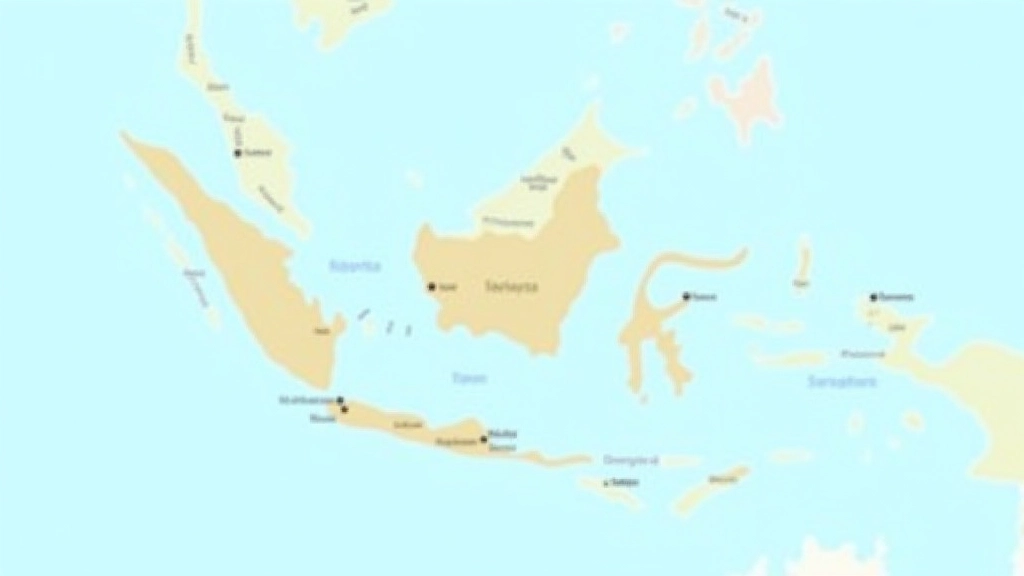
Geographic map of Malaysia highlighting different economic zones and development corridors across peninsular and east Malaysian states

How Federal Transfer Mechanisms Work

Revenue-sharing systems redistribute wealth from richer to poorer states

01

Federal Revenue Collection

Income tax, corporate tax, and excise duties flow to federal government. Higher-GDP states like Selangor contribute more through larger business activity and workforce.

02

Distribution Formula

Federal allocation uses multiple criteria: population, development needs, existing infrastructure. Poorer states receive proportionally larger transfers. Mechanism aims to equalize basic services access.

03

State Development Funding

Transfers fund infrastructure, education, and healthcare in less developed regions. Without redistribution, disparities would worsen significantly. System prevents extreme inequality but doesn’t eliminate it.

The reality: federal transfers help, but they’re not enough to close gaps. Sabah and Sarawak receive substantial allocations, yet their per-capita development indicators still lag. The issue is that transfers fund current spending, not structural economic transformation. You can build schools and roads, but that’s different from creating industries that generate sustainable economic growth.

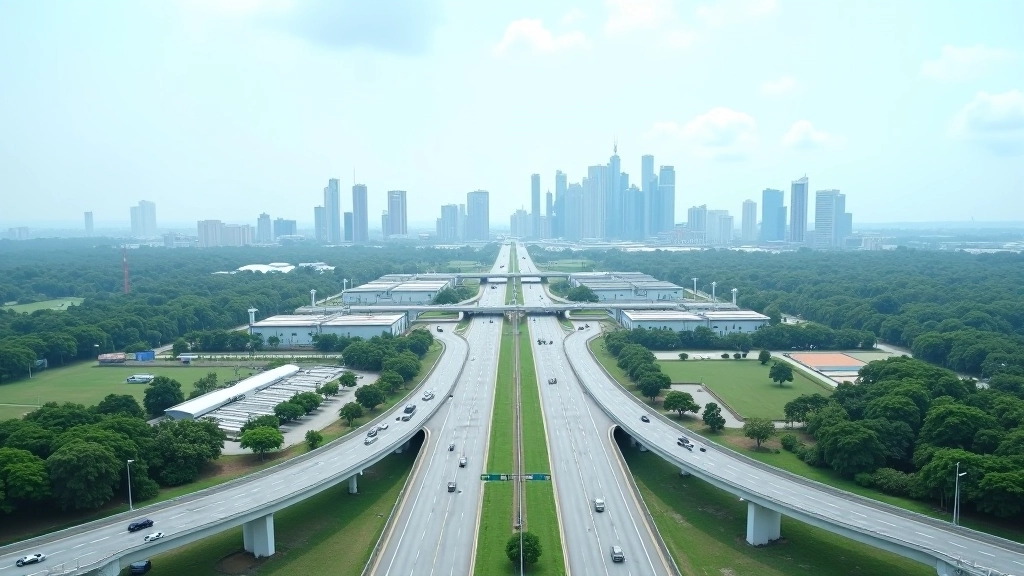
Infrastructure development showing modern highways, industrial parks, and economic development corridors connecting Malaysian regions

Measuring Economic Corridor Success

Malaysia’s development corridor strategy attempted to create regional growth engines. Northern, Southern, Eastern, and Sabah-Sarawak corridors received substantial investment. But results have been mixed.

The Northern Corridor (Penang-Kedah-Perlis) succeeded partly. Penang’s established electronics sector attracted further investment. Kedah developed food processing. But momentum hasn’t spread as aggressively as planned. Geographic proximity to Bangkok affects competitiveness—Thailand’s wages are lower in many sectors.

The Eastern Corridor (Terengganu-Pahang-Kelantan) shows promise but faces challenges. Industrial park development is progressing, but it’s competing against established western zones with better infrastructure. It’ll take 10-15 years to see whether corridor investments truly transform regional economies or just create pockets of activity.

The Sabah-Sarawak Corridor faced the biggest obstacles. Geographic distance, infrastructure costs, and lower population density make development expensive. Despite billions in investment, economic transformation hasn’t matched expectations. This doesn’t mean failure—it means results take longer and require sustained commitment.

The Bottom Line: Malaysia’s Economic Realities

Malaysia’s GDP hierarchy isn’t random. It reflects decades of infrastructure investment, geographic advantage, and industrial clustering. Selangor dominates because it accumulated advantages. Johor thrives through strategic positioning. Eastern states are catching up but from far behind.

The Sabah-Sarawak story isn’t hopeless—it’s complicated. Resource wealth is real. Development corridors are improving infrastructure. But economic transformation takes time. You can’t expect states to leap from resource-dependent economies to diversified industrial bases in 5-10 years. It’s a generational project.

What’s changing now? Technology reduces geographic disadvantages. Remote work means companies don’t need to cluster in Klang Valley. Renewable energy development creates new opportunities in eastern states. Digital economy offers smaller states pathways to growth that didn’t exist before.

If you’re tracking Malaysia’s economic future, watch three things: whether eastern corridor investments deliver real manufacturing growth, whether Sabah-Sarawak successfully diversifies beyond energy, and whether federal transfer mechanisms evolve to encourage structural transformation rather than just redistributing existing wealth.

The states that lead today won’t necessarily lead in 20 years. That’s the real story beneath the GDP numbers.


Want to understand Malaysia’s regional economy deeper? Explore related analyses on development mechanisms and economic corridor outcomes.

Information Disclaimer

This article presents educational analysis of Malaysia’s regional economic structures and GDP comparisons based on publicly available data and economic reports. The information provided is intended to help readers understand economic patterns and regional development dynamics, not to serve as investment advice, policy recommendations, or professional economic analysis.

Economic data changes regularly, and growth rates, rankings, and development outcomes vary depending on the specific metrics and timeframes examined. For current official statistics, consult the Department of Statistics Malaysia, Bank Negara Malaysia, or relevant state economic development authorities. If you’re making decisions based on regional economic analysis, consider consulting with professional economists or development specialists familiar with current conditions.