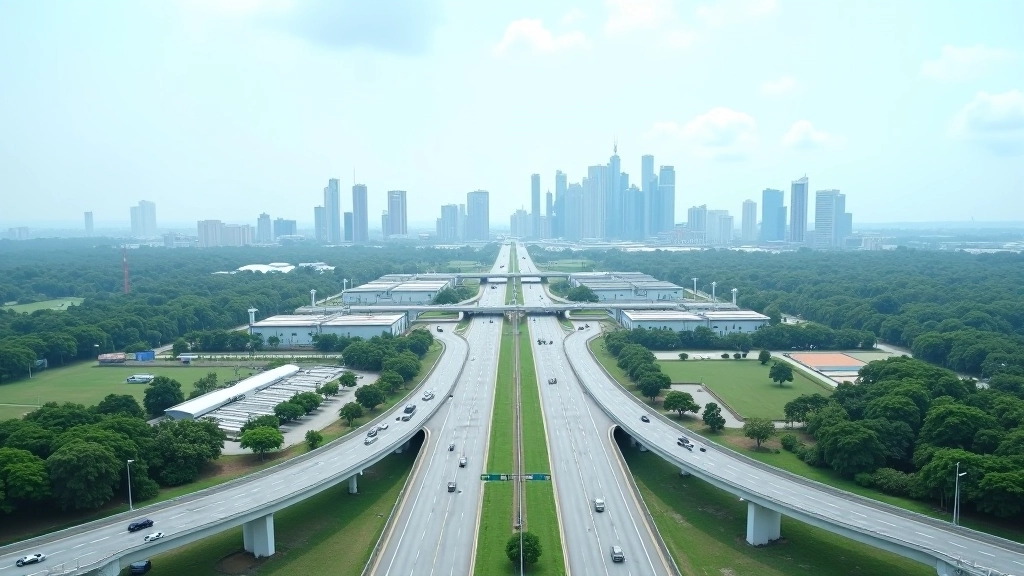
The Sabah and Sarawak Development Gap: What’s Really Happening
These two resource-rich states face persistent infrastructure deficits and demographic challenges that explain why economic growth hasn’t matched peninsular peers—and what’s actually being done about it.
The Numbers Tell a Surprising Story
On paper, Sabah and Sarawak shouldn’t be lagging. They’re sitting on vast natural resources—oil, gas, timber, and minerals worth billions annually. Yet their per-capita GDP remains significantly lower than Selangor or Kuala Lumpur. The gap isn’t due to a lack of money flowing into these states. It’s more complicated than that.
The real story involves geography, logistics costs, population distribution, and how federal funds actually get spent at the ground level. We’ve looked at the data, the infrastructure projects, and the economic corridors designed to change things. Here’s what we found.

Geography Creates Real Costs
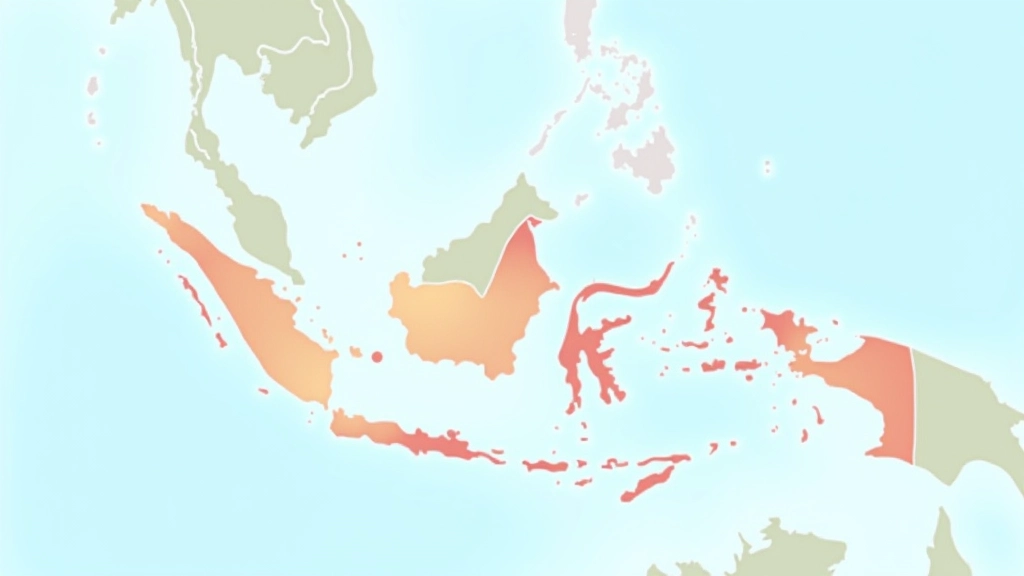
Start with the basics. Sabah and Sarawak are geographically separated from Peninsular Malaysia by the South China Sea. That’s not just a map detail—it’s a major economic constraint. Moving goods between regions costs more. Supply chains are longer. Business operations face genuine logistical hurdles that don’t exist for companies operating in the Klang Valley or Johor.
A manufacturing facility in Selangor can reach markets across Southeast Asia efficiently. A similar operation in Sarawak faces 20-30% higher transportation costs just to get products to the same destinations. These aren’t small differences. Over time, they discourage industrial development and encourage resource extraction instead—which generates revenue but not necessarily employment diversity.
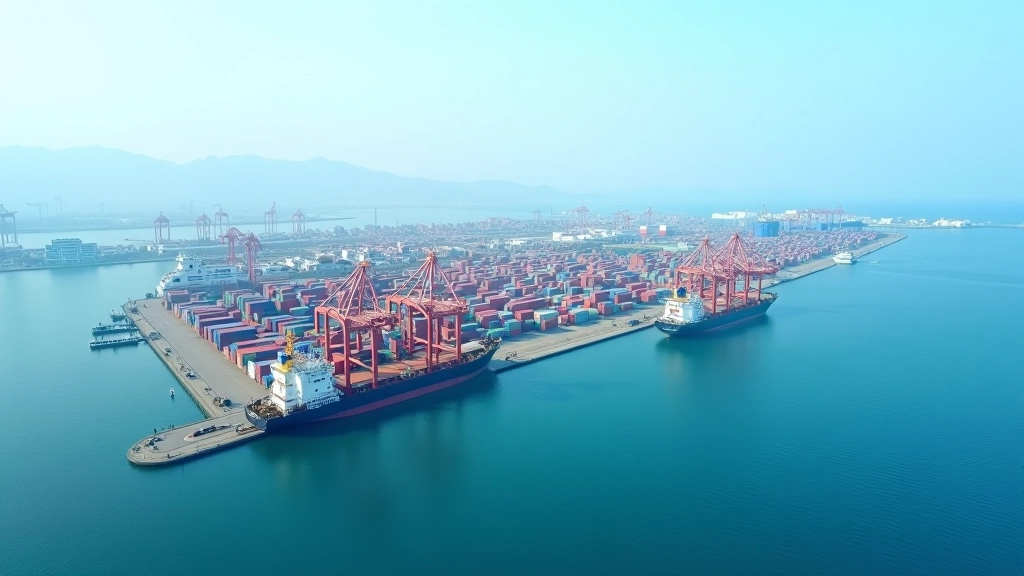
Infrastructure investment has focused on port facilities and airport capacity. Kuching and Kota Kinabalu now have modern terminals. But the cost structures remain steep, and that’s reflected in lower investment by private companies.
Population Density Changes Everything
Here’s a factor that doesn’t get enough attention: population distribution. Selangor has roughly 6.5 million people concentrated in a relatively compact area. Sarawak has about 2.8 million spread across 124,000 square kilometers. Sabah has roughly 3.9 million across 73,600 square kilometers. Lower density means infrastructure costs more per person served.
Building a highway that serves 50,000 people per kilometer versus 500,000 per kilometer costs roughly the same. The economic return is dramatically different. Schools, hospitals, water systems, electricity grids—everything is more expensive to deploy in lower-density areas. This isn’t unique to Malaysia. It’s a challenge for any region with dispersed settlement patterns.
Migration patterns make this worse. Young, educated people tend to move toward economic opportunity. Kuala Lumpur and Selangor attract talent. Sabah and Sarawak lose it. This brain drain reduces local capacity for economic development and creates a self-reinforcing cycle.
How Federal Transfers Work (And Don’t Always Work)
Malaysia’s system redistributes revenue to less-developed states through federal transfers. Sabah and Sarawak both receive substantial allocations—we’re talking hundreds of millions of ringgit annually. But there’s a gap between allocated funds and actual development outcomes.
The Transfer Mechanism
- Revenue allocated to states based on development indices and population
- States implement projects through their own development agencies
- Federal oversight exists but implementation varies significantly
- Project completion rates differ between states and sectors
The problem isn’t necessarily corruption, though that’s always a concern. It’s more about capacity. Managing large-scale infrastructure projects requires expertise, planning, and coordination. Smaller states sometimes lack the institutional machinery that Selangor or Johor take for granted. A federal grant means nothing if the state can’t execute the project efficiently.


Economic Corridors: Promise vs. Reality
Malaysia’s economic corridor programs were supposed to transform these states. The Northern Corridor Development Authority (NCDA), Iskandar Malaysia, and the East Coast Economic Region (ECER) all promised to attract investment and create jobs. Some delivered more than others.
Sarawak’s corridor has seen real progress in certain sectors. Petrochemical facilities, port upgrades, and technology parks attracted investment. But corridor development concentrated in specific zones—Bintulu, Sibu, Kuching areas. Surrounding regions didn’t benefit equally. Jobs were created, but skilled positions often went to workers from other states rather than developing local talent.
Sabah’s experience was mixed. Sandakan and Tawau saw port investments. But the corridor struggled to diversify beyond oil, gas, and palm oil. Manufacturing didn’t take off the way planners hoped. Competition from Thailand and Vietnam for industrial investment proved tougher than anticipated.
What’s Actually Changing Now
Recent initiatives suggest the development gap is getting real attention at the federal level.
Digital Infrastructure Investment
High-speed broadband rollout in rural areas. Technology parks in Kuching and Kota Kinabalu are attracting digital companies. This diversifies beyond resource extraction into knowledge-based sectors.
Education and Skills Development
Expanded vocational training programs and university partnerships. The goal is to reduce talent drain by creating skilled job opportunities locally. Early results show improved retention of graduates.
Tourism Sector Growth
Investment in hospitality infrastructure and heritage tourism. Both states have natural attractions—rainforests, marine reserves, cultural sites. Tourism creates employment and doesn’t require the geographic cost penalties of manufacturing.
Renewable Energy Transition
Solar and hydroelectric projects positioning the states as regional clean energy producers. This leverages natural resources differently—capturing value through energy production rather than raw extraction.
The Bottom Line
Sabah and Sarawak’s development gap isn’t a mystery. Geography costs money. Lower population density makes infrastructure expensive. Federal transfers don’t automatically fix structural economic challenges. And brain drain reduces local capacity for growth.
But the gap isn’t inevitable either. Recent initiatives suggest a shift toward strategies that work with regional constraints rather than against them. Digital sectors, tourism, renewable energy—these don’t face the same geographic penalties as traditional manufacturing.
The next 5-10 years will tell whether these new approaches actually narrow the gap or whether the states remain peripheral to Malaysia’s economic center. What’s clear is that throwing money at the problem hasn’t worked. Smarter strategies might.
Important Disclaimer
This article presents an analysis of regional economic data and development patterns in Malaysia. The information provided is educational and based on publicly available economic indicators and policy documentation. Economic circumstances are complex and subject to change. Regional development outcomes depend on numerous factors beyond those discussed here. This content is not intended as economic advice or investment guidance. For specific decisions related to business investment, relocation, or economic planning in these regions, consult with qualified economic advisors and local development authorities.