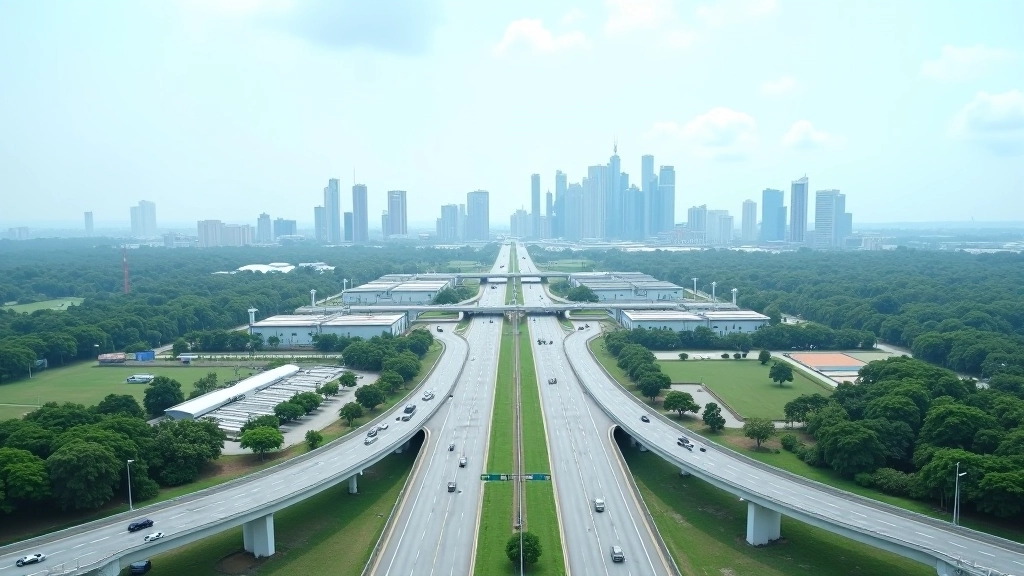
Malaysia’s GDP hierarchy isn’t random. It reflects decades of infrastructure investment, geographic advantage, and industrial clustering. Selangor dominates because it accumulated advantages. Johor thrives through strategic positioning. Eastern states are catching up but from far behind.
The Sabah-Sarawak story isn’t hopeless—it’s complicated. Resource wealth is real. Development corridors are improving infrastructure. But economic transformation takes time. You can’t expect states to leap from resource-dependent economies to diversified industrial bases in 5-10 years. It’s a generational project.
What’s changing now? Technology reduces geographic disadvantages. Remote work means companies don’t need to cluster in Klang Valley. Renewable energy development creates new opportunities in eastern states. Digital economy offers smaller states pathways to growth that didn’t exist before.
If you’re tracking Malaysia’s economic future, watch three things: whether eastern corridor investments deliver real manufacturing growth, whether Sabah-Sarawak successfully diversifies beyond energy, and whether federal transfer mechanisms evolve to encourage structural transformation rather than just redistributing existing wealth.
The states that lead today won’t necessarily lead in 20 years. That’s the real story beneath the GDP numbers.